The Beginning
Power Up Gambia
In 2006, Kathryn Cunningham Hall traveled to The Gambia as a health aide with Operation Crossroads Africa. While working at Bwiam General Hospital (BGH), she witnessed firsthand the severe and sometimes fatal consequences of unreliable electricity in a clinical setting — lights failing during deliveries, equipment unable to function, patients left in the dark.
Determined to do something about it, Kathryn returned to the University of Pennsylvania and began raising funds through Rotary Clubs, schools, and individual donors to install BGH's first solar power system. In 2010, she and fellow Penn students formally founded Power Up Gambia (PUG), with Lynn McConville serving as Executive Director. PUG's mission: to fund and install solar power systems in hospitals and clinics across The Gambia.
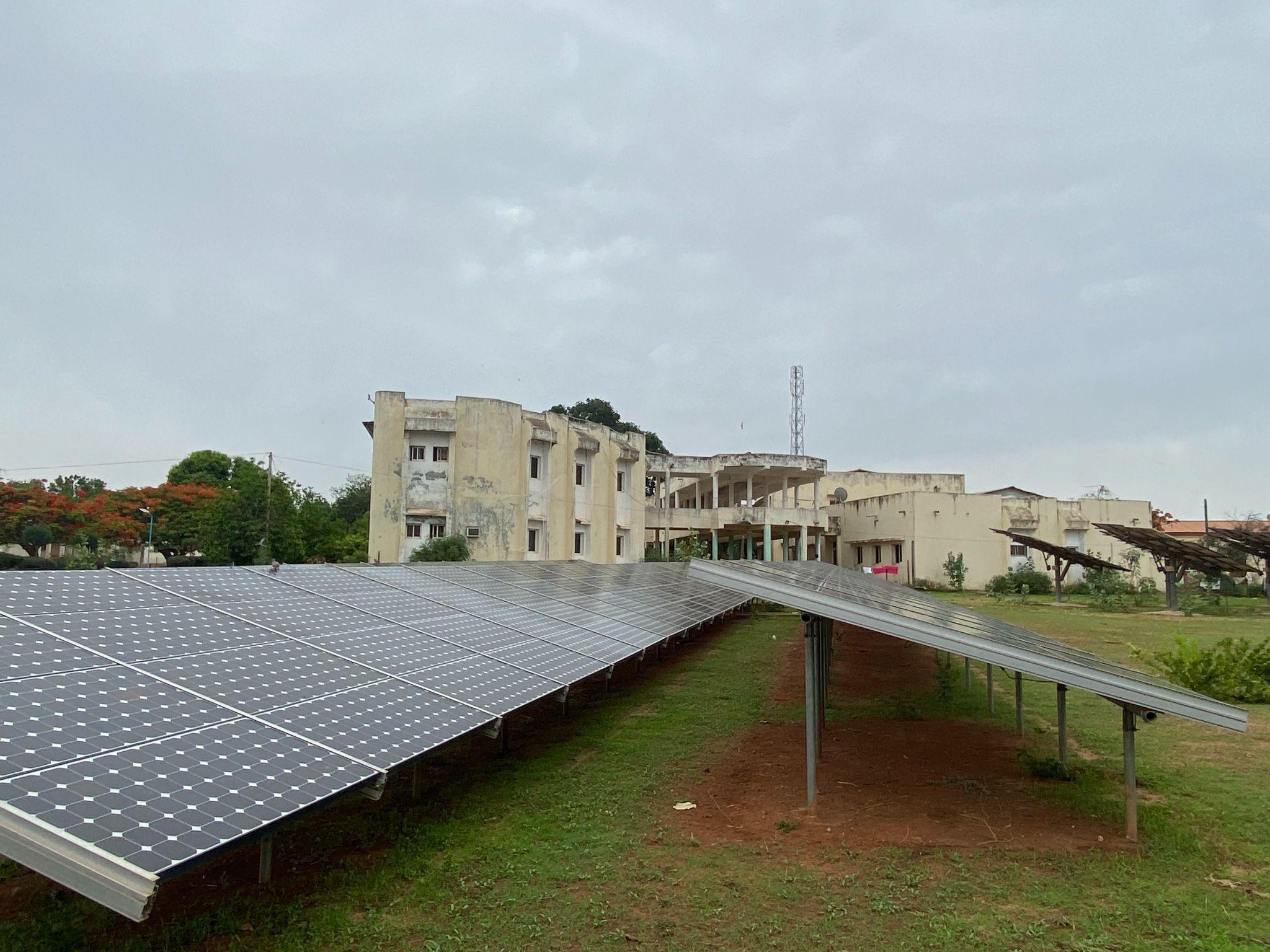
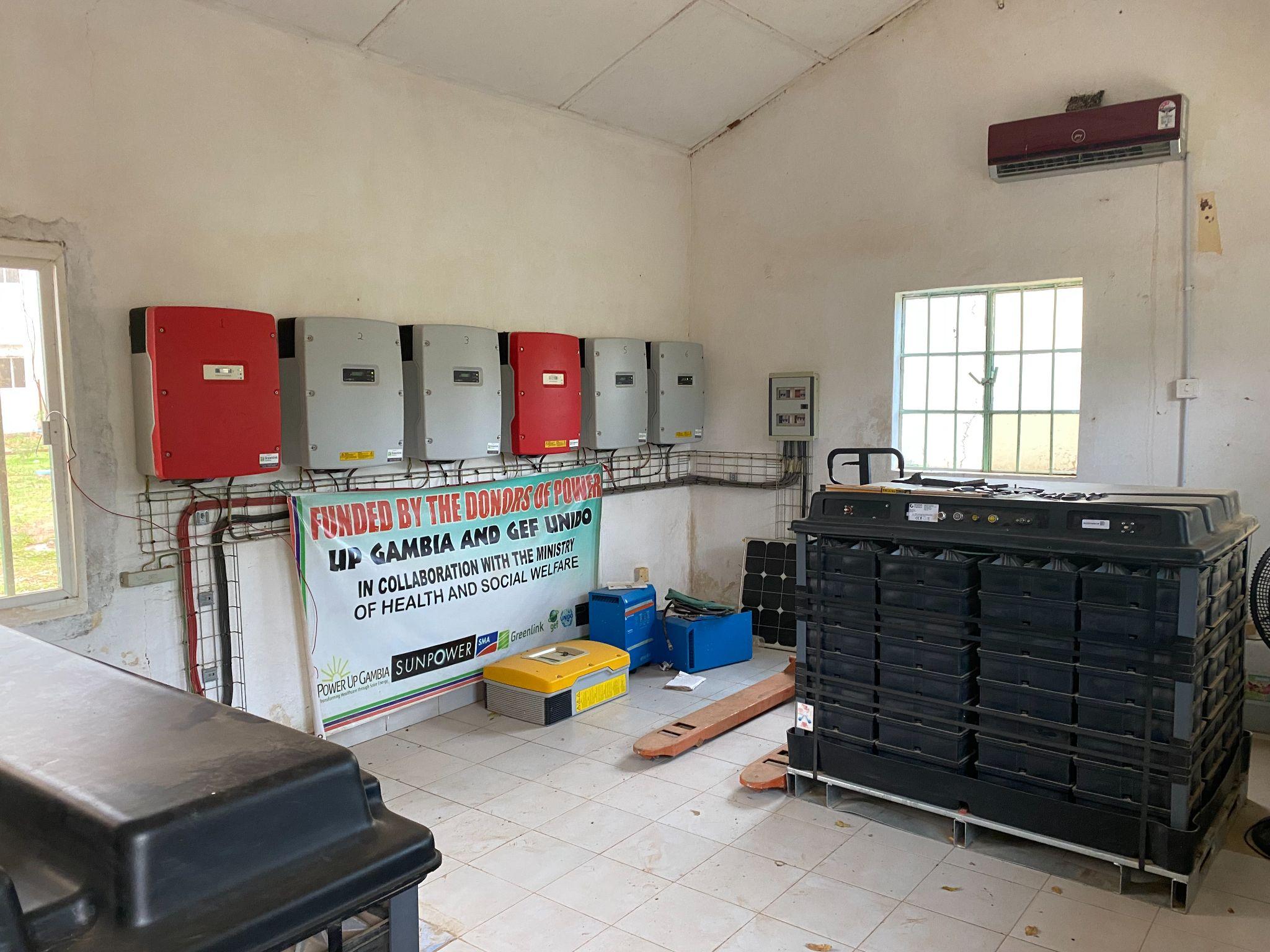
What followed was more than a decade of sustained student engagement. Beginning in 2013, Penn interns traveled to Bwiam General Hospital each summer through the Global Research & Internship Program (GRIP), working alongside hospital staff on projects that extended well beyond solar installation.
Our Partner
Bwiam General Hospital
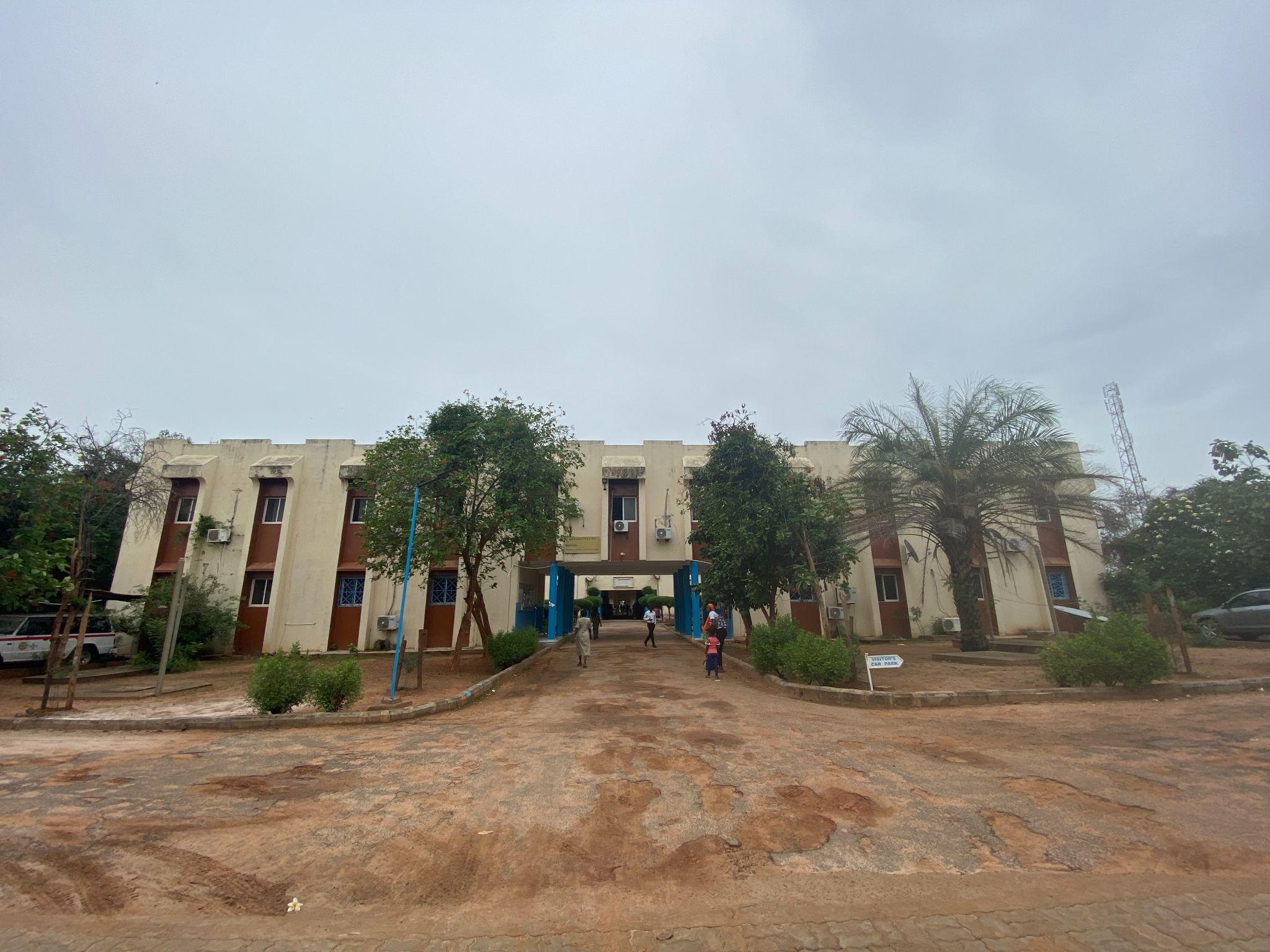
Bwiam General Hospital is the largest rural hospital in The Gambia — a government-funded tertiary referral center that serves over 68,000 people across the surrounding region. The hospital sees approximately 30,000 patients per year, conducts 980 procedures, manages 200 beds, and supports 320 deliveries annually.
BGH offers a comprehensive range of services including outpatient care, emergency medicine, inpatient services, laboratory diagnostics, antenatal and postnatal care, delivery, physiotherapy, dental care, public health programming, and radiology. For the communities it serves, BGH is often the only accessible source of care.
Articles
Articles & Coverage
Selected coverage about our partner and projects:
2013 – 2024
Past Student Projects
Over more than a decade, Penn interns at Bwiam General Hospital contributed to a wide range of projects that continue to benefit the hospital and surrounding communities:
Solar Installations
Supported Power Up Gambia's solar suitcase installations, helping expand the solarization of labor wards to over 60 health facilities across The Gambia.
The Hospital Garden
Transformed unused land behind the hospital into a functioning garden — fencing the area, piping in water, and establishing a sustainable food resource for hospital patients and staff.
Clinical Protocols
Developed departmental clinical protocols for the hospital, including the first system for separating hazardous biowaste from general waste — a lasting improvement to infection control practices.
The Goat Dairy Project
Developed a student-initiated agricultural project alongside community members that eventually grew into its own independent organization: FAIR Farms Gambia — supporting sustainable food production and rural livelihoods.
Girls' Health Outreach & School Sanitation
Conducted health education sessions for young women at the senior secondary school in Bwiam, and built new toilet facilities — reducing absenteeism and supporting continued education.
Health Post Renovations
Raised over $16,000 to renovate eight satellite health posts in the Foni Kansalla Region — serving 11,000 residents. Renovations included solar panels, water connections, new bathrooms, structural repairs, and improved furnishings. The project directly addressed maternal mortality, open defecation, and male disengagement from reproductive health.
Maternity Ward & NICU Renovation
Raised $57,000 — anchored by a $30,000 matching grant from Seeds of Change — to address a critical gap: BGH had no NICU, no specialized neonatal equipment, and no proper delivery rooms, while serving 3,600 annual births across a 120,000-person catchment area with a neonatal mortality rate 2× the national average.
The project built the region's only functional NICU (equipped with incubators, CPAP machines, infusion pumps, and phototherapy units), renovated the labor ward with proper delivery beds and sterilization equipment, constructed private delivery rooms to encourage male involvement in reproductive health, repaired the roof, ceiling, and floors to prevent rainy-season flooding, and established a central nurses’ station to enable timely emergency response.
2024 – Present
The Transition to Dimbaya
From 2016 to 2018, the United Nations — through the UNDP and the UN Capital Development Fund — became the primary funder for The Gambia's national transition to renewable energy. This shift reduced Power Up Gambia's original solar-focused role, and subsequent cohorts transitioned toward a broader range of health needs.
By 2024, organizational changes led Power Up Gambia to conclude operations after sending its final cohort of interns.
Rather than let this partnership end, its student leaders chose to carry it forward. Dimbaya Health and Education was founded to relaunch and reimagine this program with a renewed focus on public health, community engagement, and sustainable student impact. Dimbaya inherits nearly two decades of institutional knowledge, community trust, and proven student programming — and is building something new on that foundation.
Travel to The Gambia is already planned to resume in 2027 under Dimbaya's leadership.