Section 1
For students, By students.
Building Sustainable Student Engagement
Dimbaya's programs are not handed down from an institution — they are designed and led by students who have been through the experience themselves. Former interns who have worked at Bwiam General Hospital return to shape the curriculum, develop orientation materials, mentor incoming students, and manage the logistics of each internship cycle.
This peer-led model creates several advantages:
- Interns arrive better prepared, with realistic expectations shaped by people who've lived the experience
- Institutional knowledge is preserved and passed forward, rather than lost each year
- Students develop leadership skills by actively designing and running global health programs
- The program remains grounded in the realities of working at BGH — not an idealized version of it
Section 2
Curriculum for students, by students.
A Curriculum Shaped by the Field
Dimbaya's educational programming is developed collaboratively with students who have direct field experience. Rather than adapting an existing global health curriculum to fit our context, we start from the ground up — building resources that reflect the specific realities of working at BGH, the communities surrounding it, and the public health challenges most present in rural The Gambia.
Pre-Departure
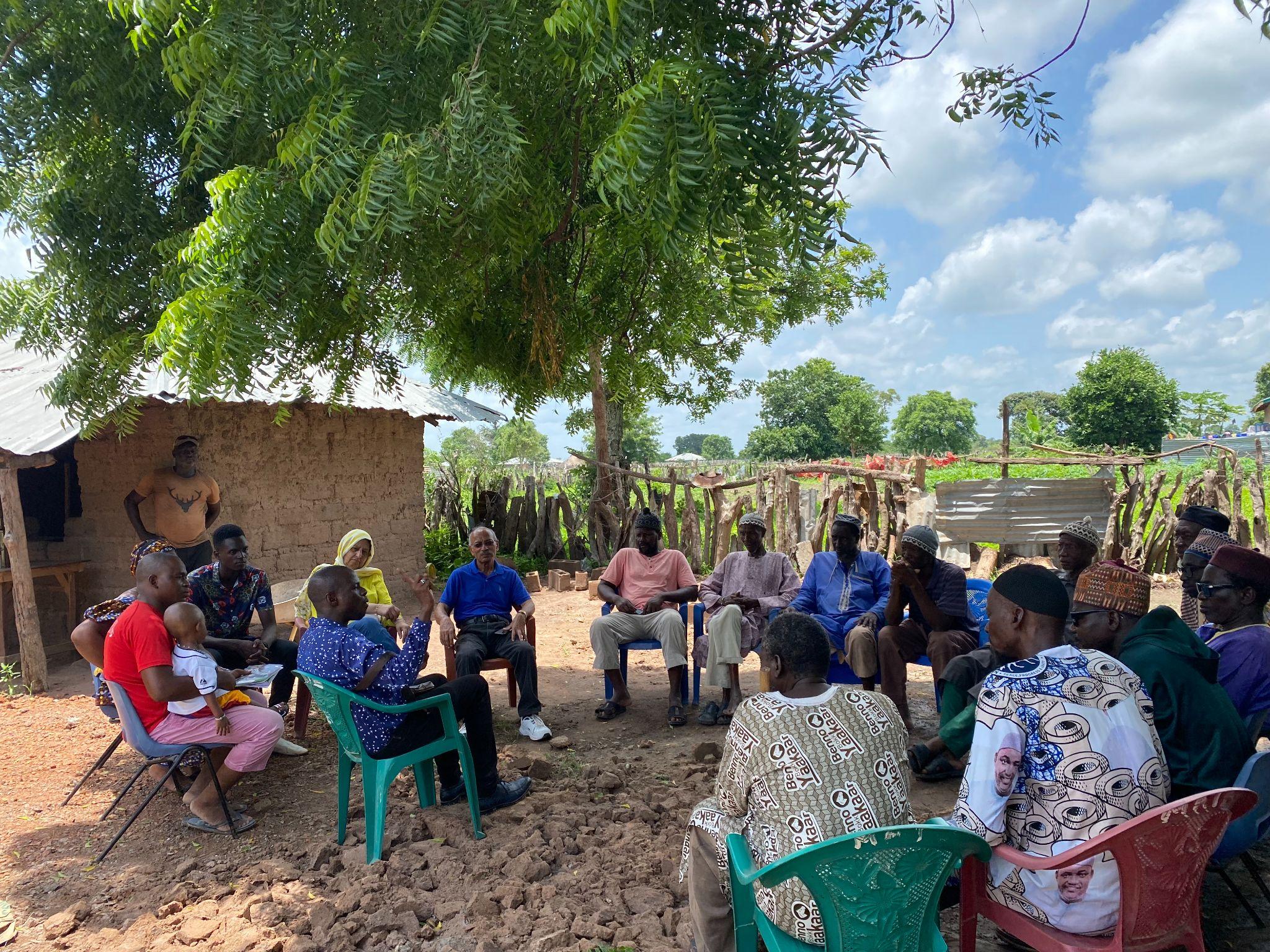
Before arriving, students participate in cultural immersion, public health and clinical training, and logistical preparation while connecting with former interns and hospital staff. The goal is to ensure each cohort arrives informed, prepared, and grounded in the communities they will serve alongside.
In-Field
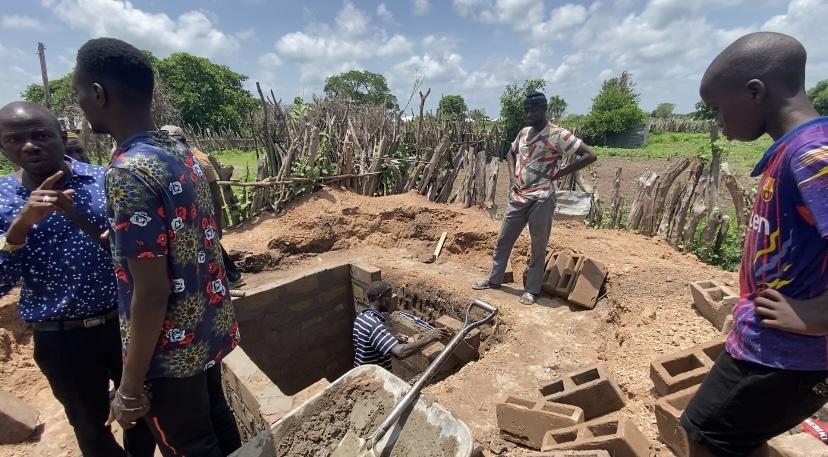
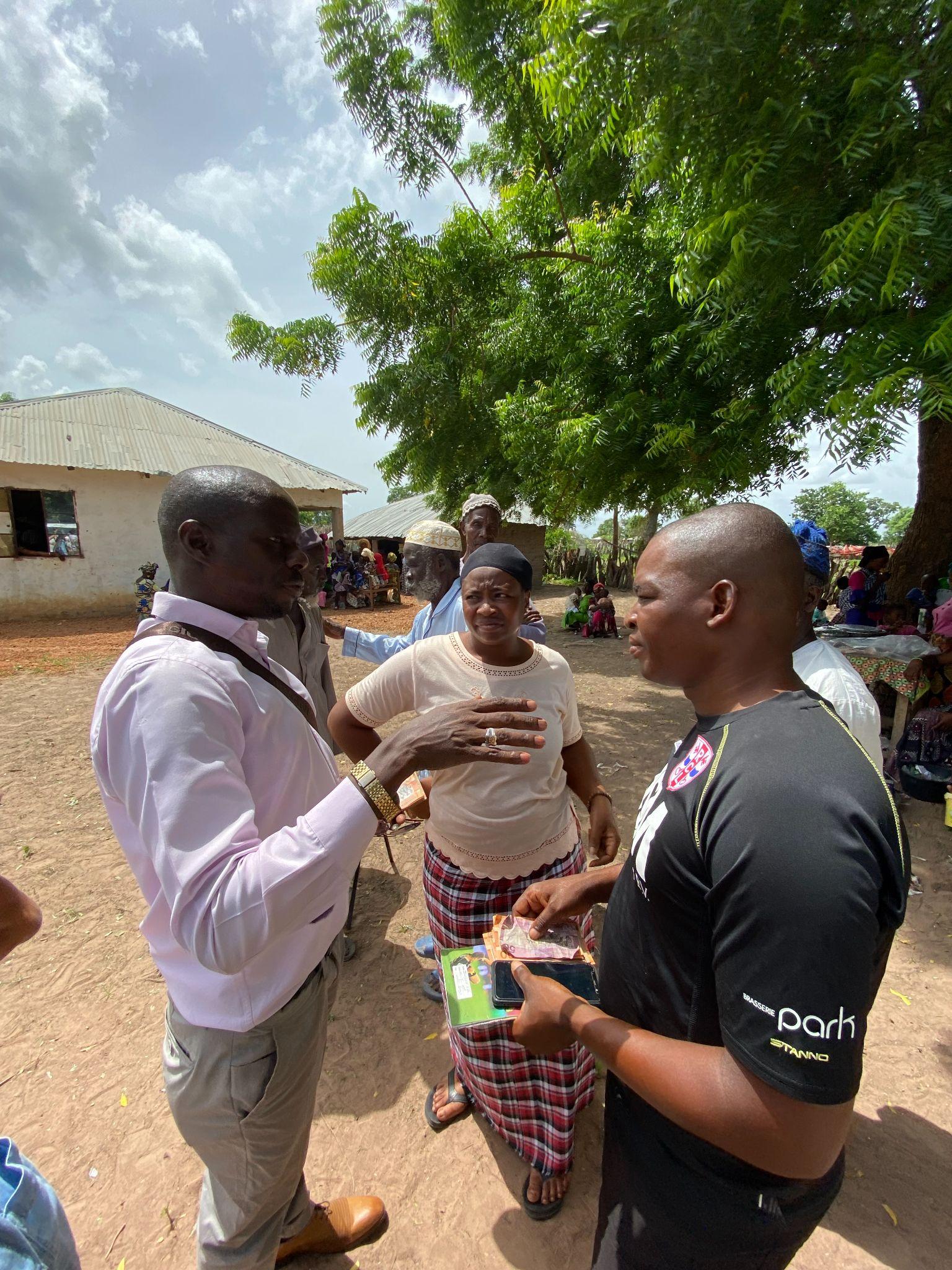
Students collaborate directly with hospital staff and community leaders to identify local needs and support ongoing initiatives ranging from infrastructure projects to clinical and community health programming. Rather than introducing outside solutions, interns work to strengthen and expand efforts already being led within the community.
Post-Internship
Following their return, students help sustain the program through mentorship, fundraising, project development, and transition planning for future cohorts. This continued involvement helps maintain long-term partnerships and supports year-to-year program continuity.
Section 3
Key Principles
Dimbaya's approach is grounded in three intersecting bodies of evidence and practice — the frameworks that guide every decision we make.
Implementation Science
Global health solutions often fail not because they lack evidence, but because the conditions for implementation — local capacity, institutional buy-in, cultural fit, and adaptive management — are not adequately considered.
Dimbaya draws on implementation science frameworks to design programs that are not only evidence-based but implementation-ready. This means we ask not just “does this work?” but “can this work here, in this context, with these people, right now?” We design for adaptability, build in feedback loops, and treat local knowledge as essential evidence.
Local Community-Led Global Health Initiatives
The most durable global health successes are those built with communities, not on behalf of them. This principle — championed by organizations like Partners in Health and rooted in the work of the late Dr. Paul Farmer — holds that community members are not passive recipients of health interventions, but active agents in designing, implementing, and sustaining them.
At Dimbaya, this means our interns work under the direction of BGH leadership and local health workers. Project ideas originate from identified community needs. Mr. Manneh and his team have direct input into the structure of the program and the selection of students. The goal is not to bring solutions from the outside, but to support the solutions that communities are already building.
Informed by Partners in Health and the scholarship of the late Dr. Paul Farmer.Health in Context
We are committed to the kind of in-country partnership that takes health seriously — which means taking everything else seriously too. Health outcomes in rural The Gambia are inseparable from literacy, infrastructure, economic opportunity, and gender equity.
Dimbaya students don't only work within hospital walls. They engage with the broader conditions that shape community health: supporting book distribution initiatives, thinking alongside communities about road and infrastructure development, and working with women-led microenterprises longitudinally. These engagements sit outside the traditional realm of “health” — yet they are deeply tied to it. Sustainable health impact requires understanding and engaging with the full social and economic context in which health is made or broken.